Daffodil Cake

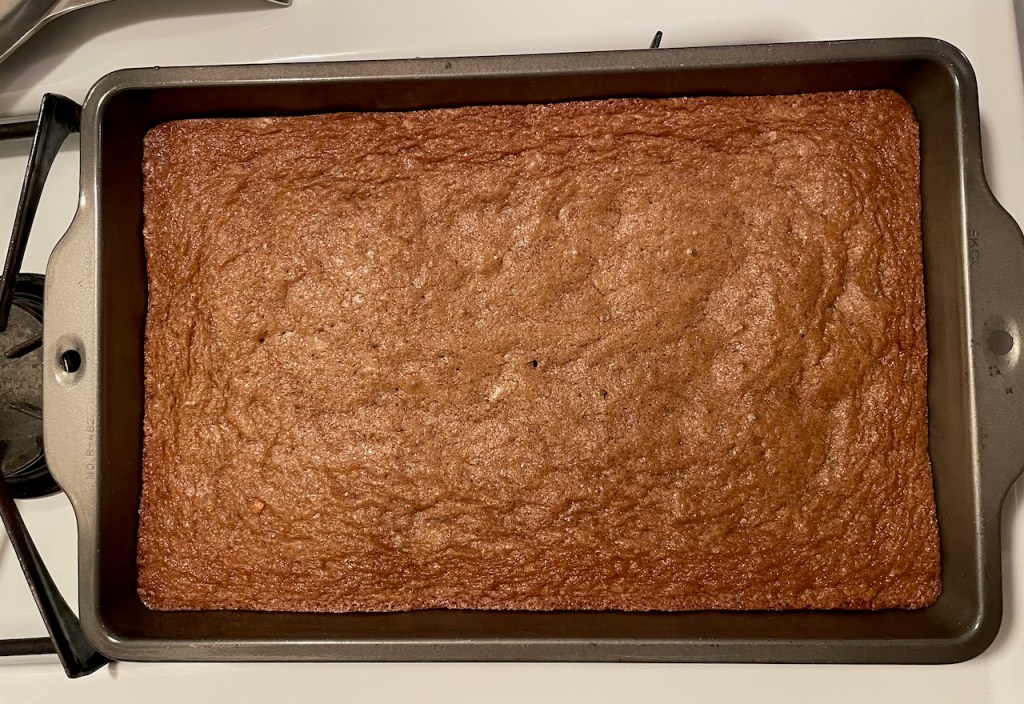
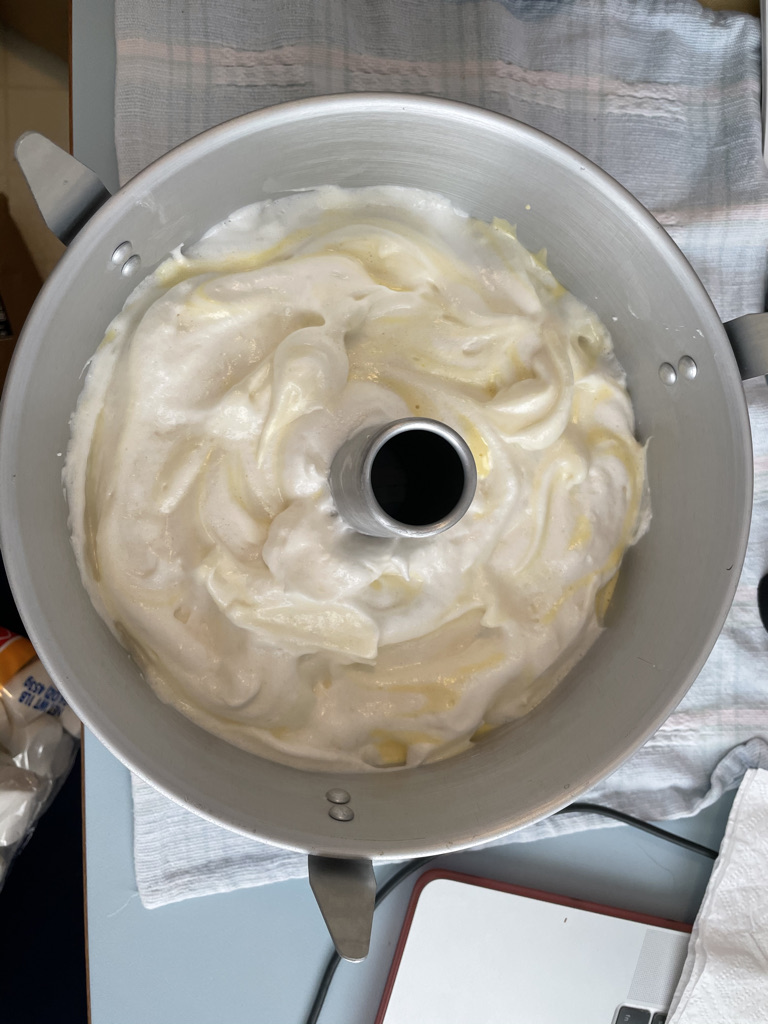
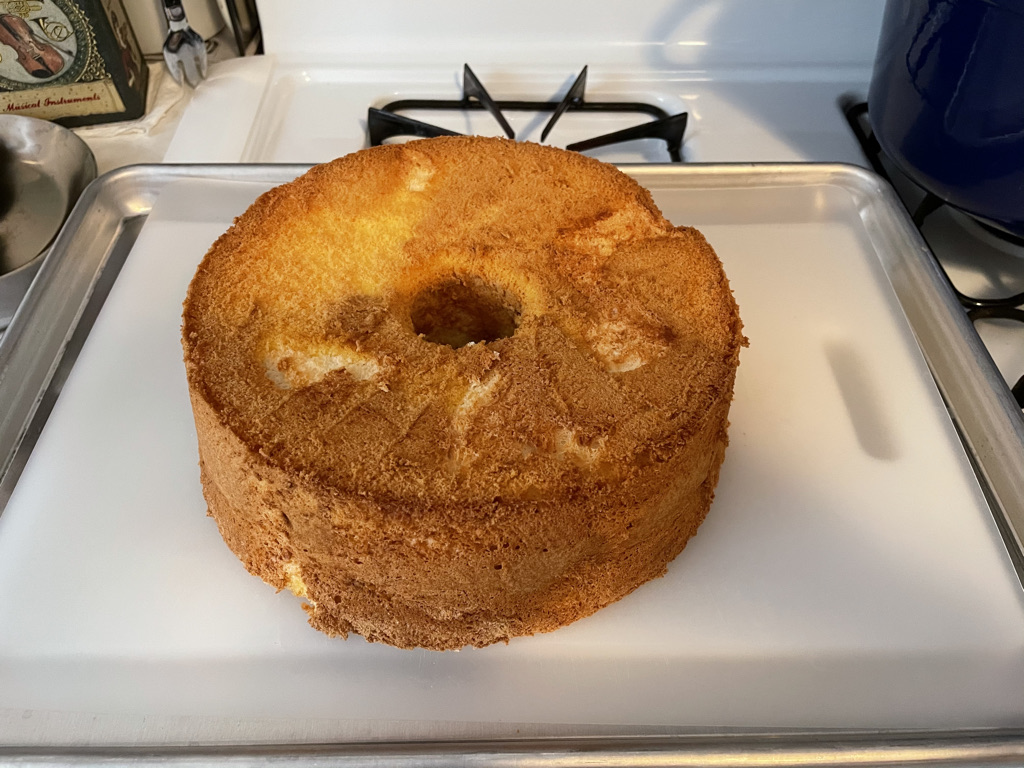
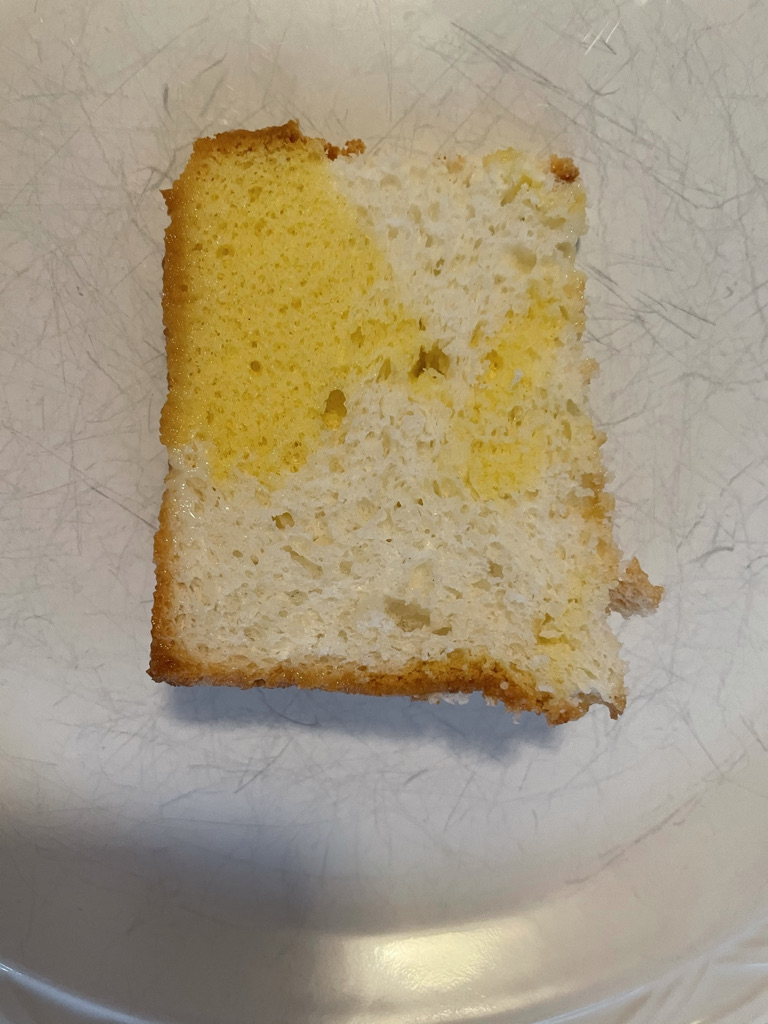
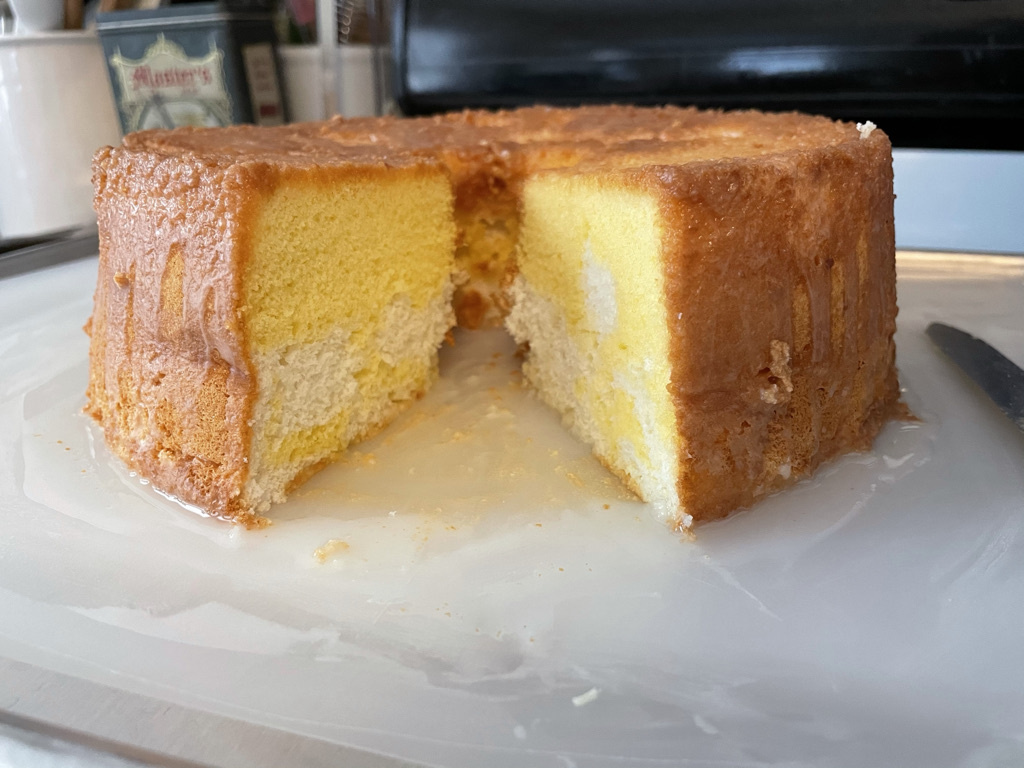
For my birthday, I decided to resurrect a cake from my mother’s standard rotation. Daffodil Cake (many variations exist on the interwebs) is a marbled combination of an Angel Food Cake and a Chiffon Cake, topped with a lemony glaze. It’s very, very SPRINGTIME, and just the right thing for the occasion.

I very often feel great sympathy for the contestants on the Great British Baking Show. I don’t now how they are able to do what they do under such insanely short timeframes. And, I can’t imagine how stressful it must be to have the cameras capturing EVERY thing that they do. Millions of our judgy eyeballs scrutinizing everything!

This cake reminded me of GBBS for a couple of reasons:

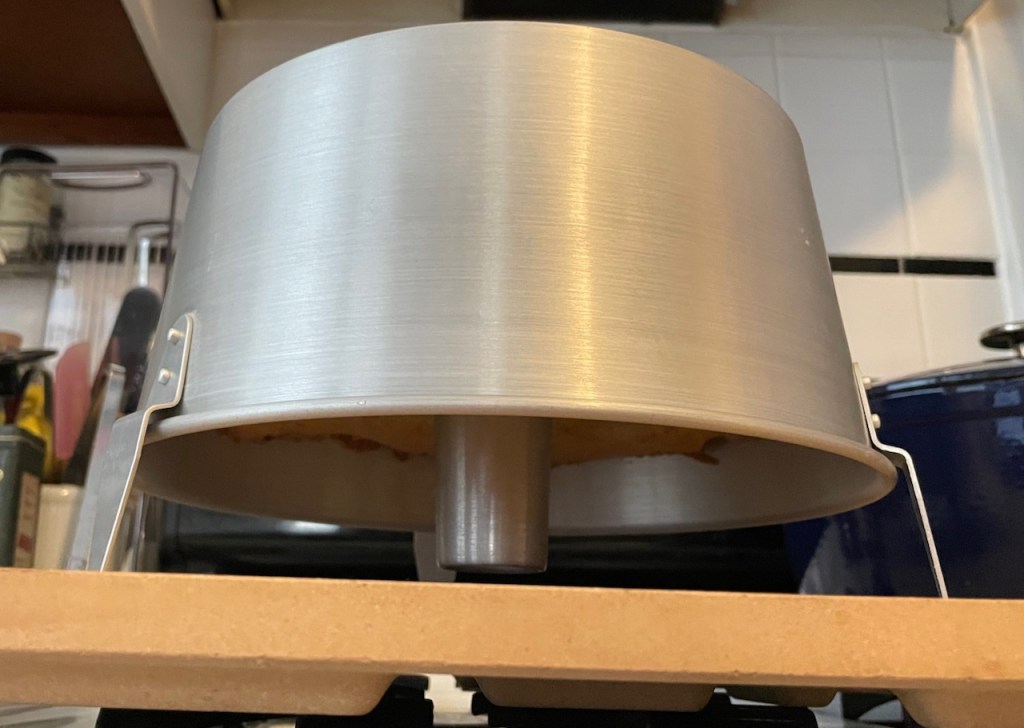
  • I recall some technical challenge where the contestants were not instructed to invert an Angel Food Cake for cooling and it was a test to see who already knew (I knew, thanks mom!).
  • My Daffodil Cake developed a slight “waist”, and I’m sure that was criticized on someone’s GBBS cake at some point. Perhaps I took the cake out of the pan too soon? Or perhaps the structure of this cake can’t quite manage the volume of glaze that it took in?

I am not an expert cake-baker. I have had only middling results in the past with cakes. That might need to be another project for me during this weird sabbatical. I’d like to master the various types of “sponge” that I’ve seen on GBBS, and really understand what makes cakes come out wonderfully.

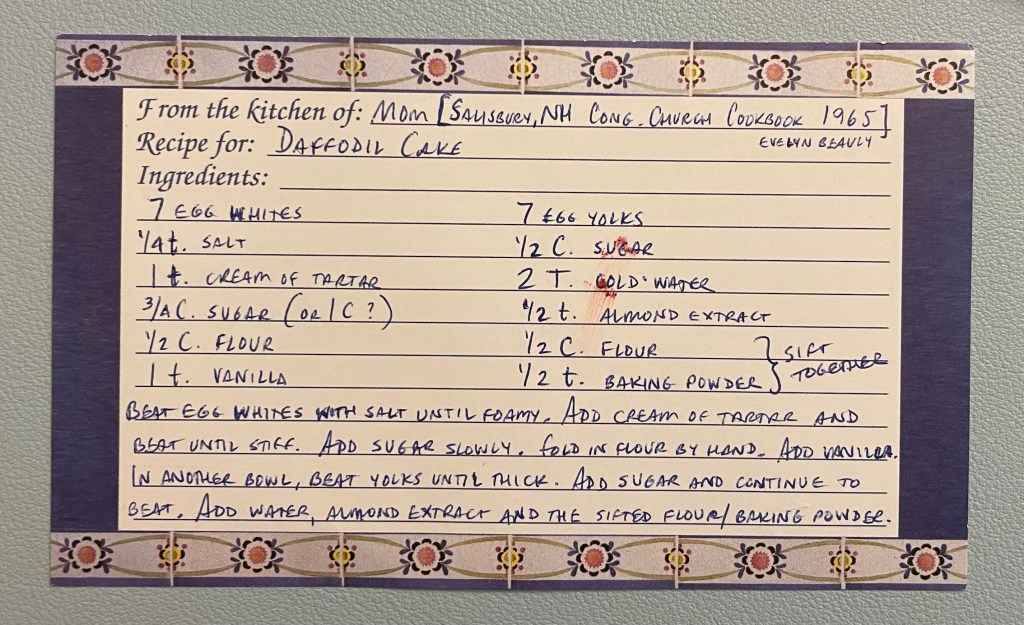
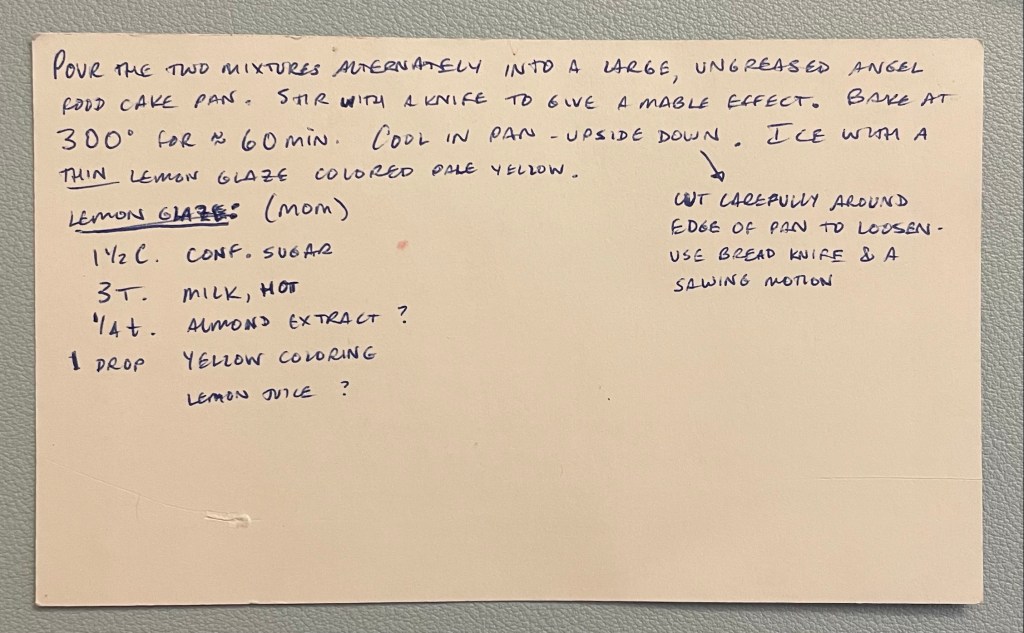
Here’s mom’s Daffodil Cake recipe (copied by me, many years ago), in which she credits Evelyn Beauly in the Salisbury, NH Congregational Church Cookbook, 1965:
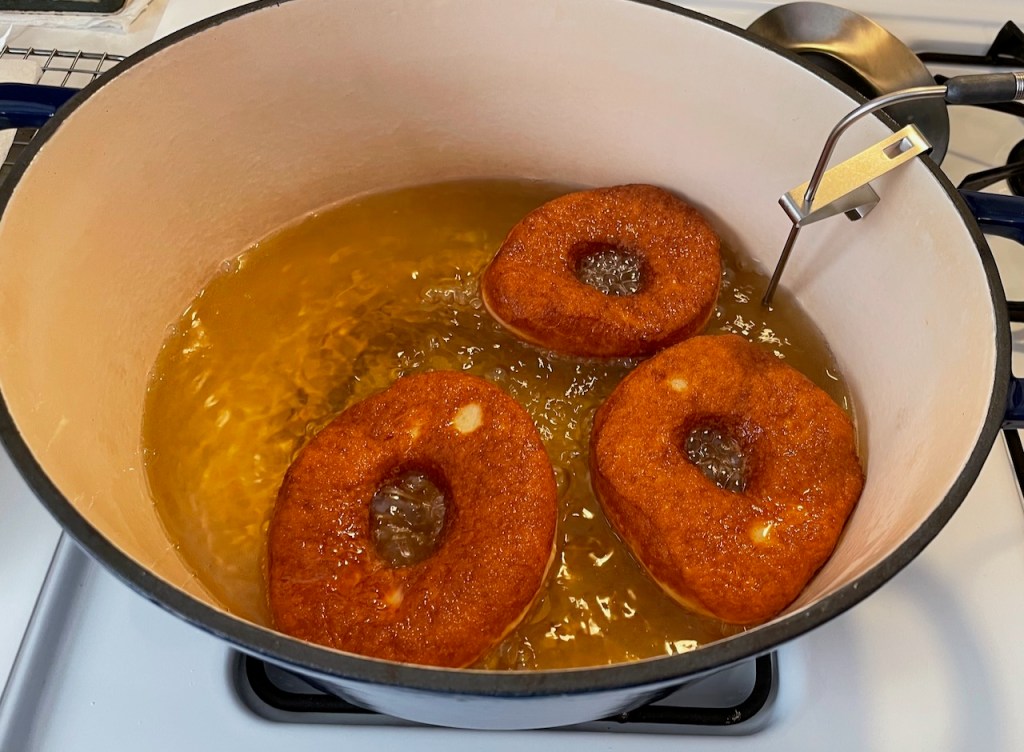
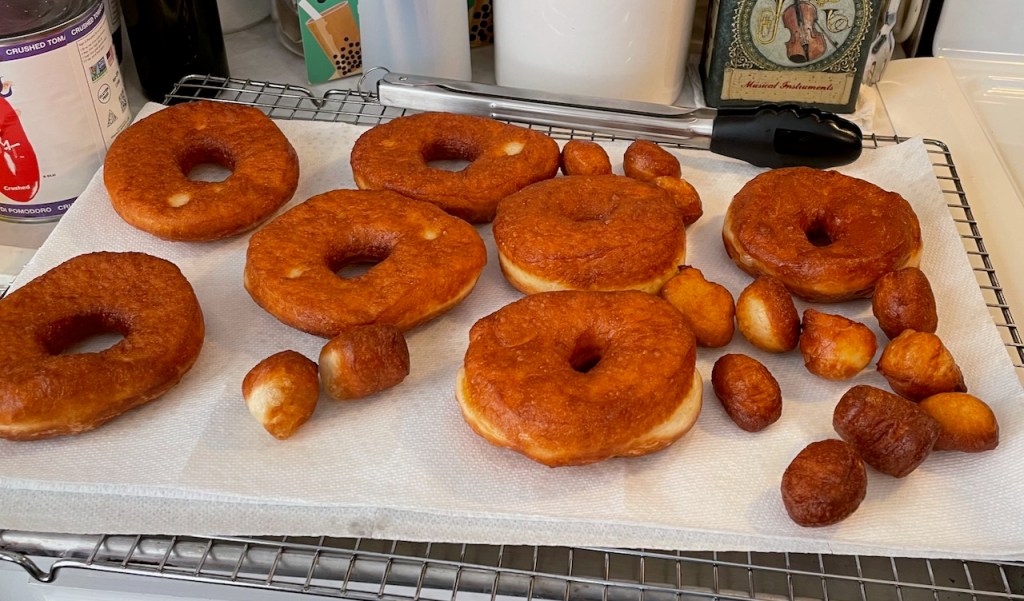
Glazed Yeasted Doughnuts

This was another project that was inspired by Cook’s Illustrated. The photos in that article practically give off an aroma of fresh-baked, light and fluffy doughnuts. I couldn’t not make these, especially after finding that deep-frying the kettle potato chips wasn’t so scary.

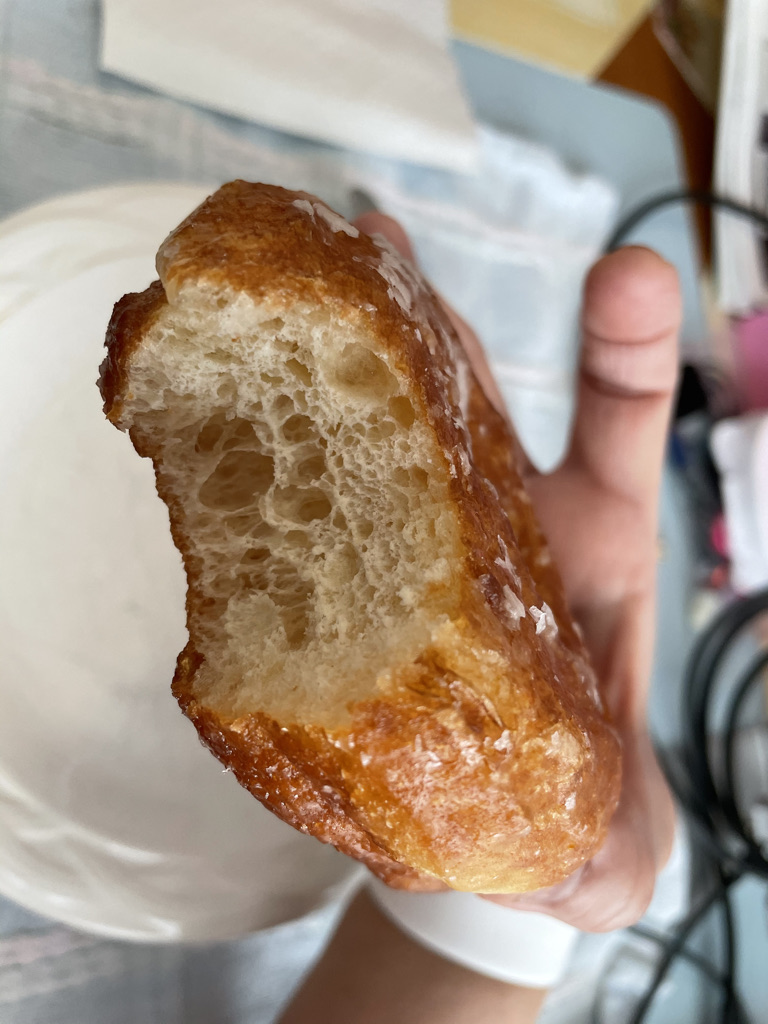
Some of them were a great success (like the one that I show here with a humongous bite taken out of it), but some were flat and unexciting. I’m slowly getting more accustomed to working with yeast – whether the bought kind or the sourdough kind. Here’s what I’m learning: If the doughnut looks flat and unexciting before going into the hot oil, then it will be flat and unexciting when it comes out of the hot oil. The frying/baking won’t make it be magically fluffy if it wasn’t already there.

In hindsight I wish that I had let some of the doughnuts proof longer. Some were good to go, but many were not. I’m realizing that the “when is something proofed (proved?) enough?” question is pretty much the meaning of life with yeast-risen things.

I had lots of leftover glaze, and meant to get back to this project right away, but it’s been eight months now and it hasn’t happened. [Sigh.]

Butterscotch Brownies (a.k.a. Blondies)

This is a nostalgia ride for me, inspired in part by Aaron sending me a photo of a batch that he made. This recipe comes directly from my old copy of the Betty Crocker Cookbook. I have looked at versions of this recipe posted online, and none of them match what my cookbook has in it. If you want this recipe, just ask.

I throw in butterscotch morsels rather than nuts (ewww, definitely no nuts in this!). I also browned the butter rather than just melting it. ‘Cause… brown butter… you know. This recipe is easy and delicious.

I wonder if it would be an enhancement to sprinkle a tiny bit of coarse salt on top; an experiment to try next time.

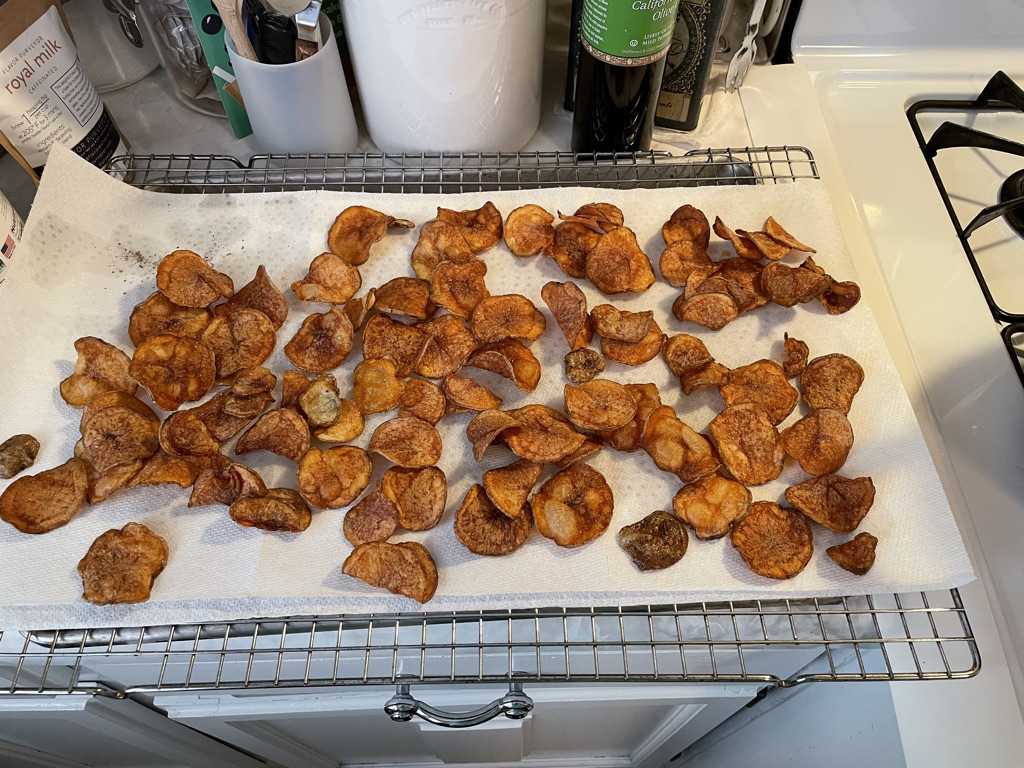
Kettle Cooked Potato Chips

This was from another Cook’s Illustrated article. Sometimes I read their magazine (and Milk Street, the Christopher Kimball spin-off) and I end up just dreaming about the recipes for weeks. This one really stuck with me, and I decided to go for it. I don’t have experience with deep-frying, but this wasn’t too scary! The amazing ThermoWorks ChefAlarm was a comforting source of accurate temperature data.

For all my baking of sweet things, it might surprise you to know that my weakness is actually salty stuff. Salty potato products are at the top of my list of favorite things. It was delightful to have these crunchy, homemade kettle chips!

P.S. I almost bought a new mandoline, and I did a bunch of research, but I didn’t pull the trigger. I have a simple one that my mom gave me decades ago, and it works just fine. I also almost bought a slice-resistant glove, and now I’m not sure why I didn’t. Hmmmm… [add to cart]

Sourdough Research

My Tartine bread project has spanned most of 2021. There have been many loaves produced: some quite successful and some rather less so. All of it has been edible and yummy, but it’s been both fascinating and frustrating to try to master this particular thing.

One of the issues that still puzzles me to some extent is how to know when the sourdough has proofed enough and not too much. It seems like something that could be described and explained in words, pictures, and/or video, and many have tried, but it still feels elusive to me.

I wrote earlier that I feel the particular qualities of a certain starter will have a big effect on the length of time that proving can take. To learn more about my three starters, I learned how to do time-lapse photography and took a 24-hour time-lapse video (20 seconds) showing when the starters peak, and showing the time and temperature each step of the way.

The three starters are:

  • TOP: Ken’s sourdough starter from Alaska
  • MIDDLE: A starter I created using the “pineapple juice method” (h/t Debra Wink in the Fresh Loaf blog community)
  • BOTTOM: A starter I created just from thin air, using all-purpose flour

During the spring when I made this video, I was in the habit of feeding the three starters once per day. Their behavior was relatively consistent each day, though the temperature in my house varies more it did in this video. Anyway, Ken’s sourdough peaks about 12 hours after being activated/fed.